


The popularity of visual search has revolutionized how users navigate the digital landscape. Visual search involves using images or patterns as queries to retrieve information, enabling a more intuitive and efficient online experience. As web design plays a pivotal role in shaping user interactions and influencing conversion rates, understanding the impact of visual search on this critical aspect becomes imperative.
In this blog, we will look at the symbiotic relationship between visual search and web design. We will explore how this innovative technology reshapes user engagement and demands a re-evaluation of design strategies for optimal user experiences.
Visual Search and How it Differs From Traditional Text-based Search
Visual search is a search method that diverges from traditional text-based approaches. It allows users to explore and find information using images instead of text queries.
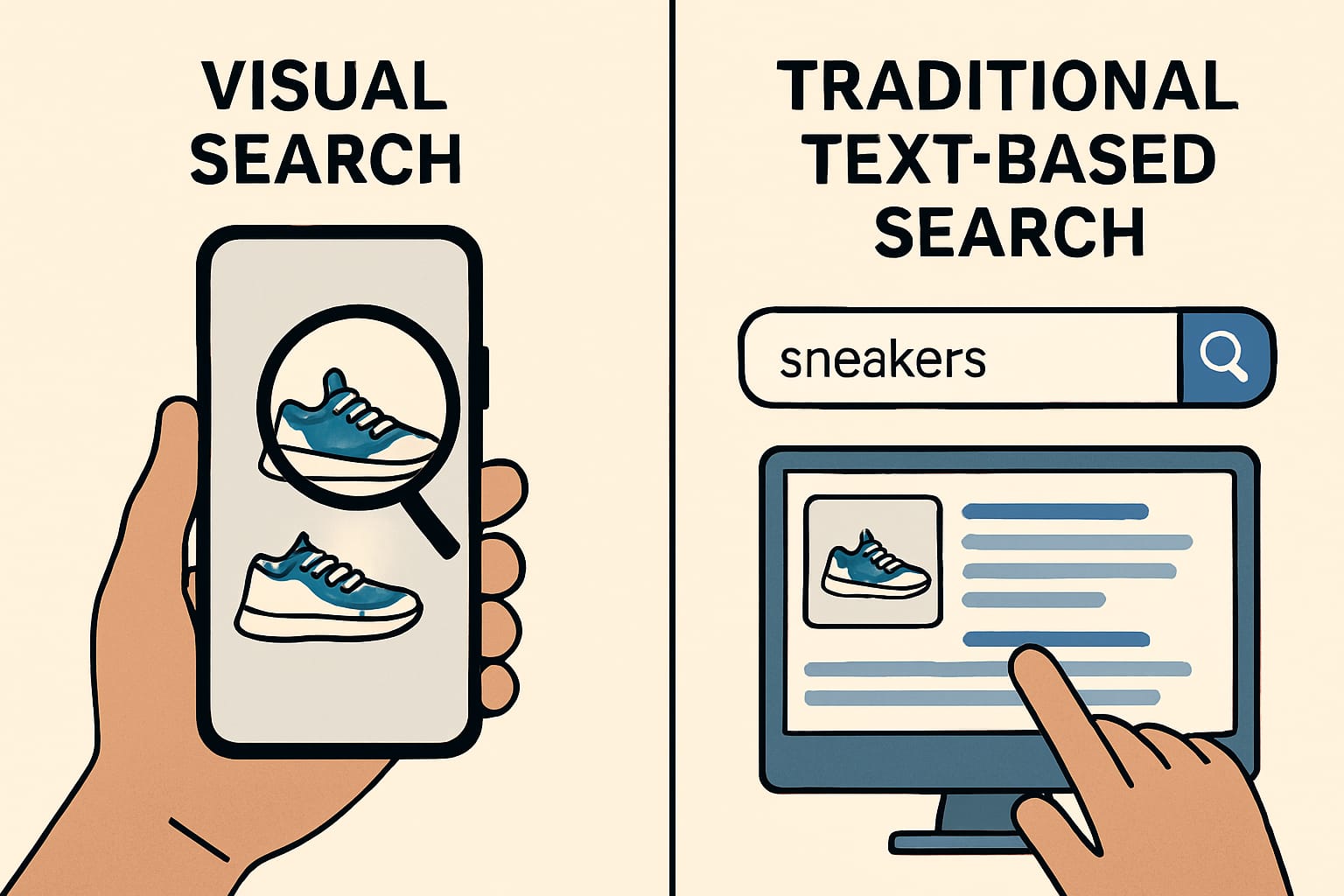
Unlike conventional searches reliant on keywords, visual search leverages the content of images to deliver more accurate and contextually relevant results. This shift enhances user experience by enabling a more intuitive and visually-driven interaction with online content.
Technology Behind Visual Search: Image Recognition and Machine Learning
The technology powering visual search revolves around sophisticated image recognition and machine learning algorithms. Image recognition algorithms enable computers to comprehend and interpret visual data by identifying patterns, objects, and features within images.
Machine learning algorithms enhance this process, allowing systems to continuously refine their understanding based on user interactions and feedback. The amalgamation of these technologies empowers visual search engines to process and categorize vast amounts of visual information efficiently.
Functionality of Visual Search Engines: Analysis and Interpretation of Images
Visual search engines operate by meticulously analyzing and interpreting images through a combination of image recognition and machine learning. These engines break down images pixel by pixel, extracting intricate details and understanding the relationships between different elements.
The ability to interpret contextual nuances within images sets visual search engines apart. It enables them to discern not just the visual content but also the broader context. This advanced analysis contributes to more accurate and tailored search results, making visual search engines a potent tool for users seeking information through visual cues.
Learn the Difference: Web Designers and Web Developers
Enhancing User Experience with Visual Search
Visual search significantly enhances user experience by introducing a more intuitive and efficient information retrieval method.
Users can simply upload an image or take a photo to search for related content. Thereby, eliminating the need for precise textual queries. This intuitive approach resonates with users who prefer a visually-driven exploration, making the overall search process more user-friendly and accessible.
Convenience Across Industries: eCommerce, Fashion, and Home Decor
Visual search’s convenience extends across diverse industries, revolutionizing how users engage with online platforms. In eCommerce, for instance, users can effortlessly find products by uploading images, streamlining the shopping experience.
In the fashion industry, visual search aids users in discovering similar clothing items or accessories based on an image they find appealing.
Home decor benefits similarly, allowing users to identify furnishings or decor elements from images, translating inspiration into tangible products. This versatility underscores visual search as a valuable tool across a spectrum of user needs.
Benefits: Reducing Search Time and Increasing Engagement
One of the core benefits of visual search is its capacity to significantly reduce search time. Users can swiftly locate information without the need to articulate complex queries, enhancing overall efficiency. Additionally, the visual nature of this search method fosters higher user engagement by catering to the human preference for visual stimuli.
As users seamlessly interact with content through images, they are more likely to stay engaged, fostering a positive user experience and potentially leading to increased conversion rates.
Know More: Modular Web Design for Future-proofing WordPress Sites
Act Now to Build a Website That Drives Results
Transform your online presence and captivate your audience with a tailored website that reflects your brand’s unique identity. Start your journey today.
Optimizing Web Design for Visual Search
Optimizing web design for visual search enhances visibility and discoverability in a visually-driven digital landscape. Websites that align with the principles of visual search not only provide a seamless user experience but also increase the likelihood of their content being surfaced in relevant searches.

As visual search continues to gain prominence, the adaptability of web design becomes integral to maintaining a competitive online presence.
Role of High-Quality Images, Descriptive Alt Tags, and Structured Data
In the context of visual search, the quality of images and the inclusion of descriptive alt tags play pivotal roles in improving search engine rankings. High-quality images not only appeal to users but also contribute to the accuracy of visual search results. Descriptive alt tags provide context to search engines, aiding them in understanding the content of images.
Additionally, structured data implementation enhances the overall interpretability of web content, influencing search engines to index and rank the site more effectively in response to visual queries.
Tips for Designing Visually Appealing Websites Compatible With Visual Search Engines
Consider using high-resolution and visually engaging images to optimize web design for visual search engines. Ensure that these images are accompanied by descriptive alt tags containing relevant keywords. Implement structured data markup to provide context and meaning to the content, facilitating better understanding by search engines.
Streamline navigation by incorporating intuitive visual elements, allowing users to seamlessly interact with visual search features. Additionally, prioritize mobile responsiveness to accommodate users across various devices and leverage the full potential of visual search functionality.
Read: Reasons Why Your Business Needs SEO Services
Future Developments of Visual Search Technology and Impact on Web Design
The future of visual search technology promises exciting developments. It includes advancements in image recognition, augmented reality integration, and increased AI capabilities. These innovations may lead to even more accurate and context-aware visual search results.
Web designers can anticipate integrating these technologies into their strategies, creating immersive and dynamic user experiences. Augmented reality overlays, for example, may redefine how users interact with visual content on websites, requiring web designers to adapt and create compelling AR-enhanced interfaces.
Need for Businesses to Adapt Web Design Strategies for Visual Search
As visual search evolves, businesses must proactively adapt their web design strategies to capitalize on its potential. The shift towards a more visually-driven online experience necessitates a reevaluation of website layouts, content presentation, and overall aesthetics. Integrating visual search-friendly elements becomes not just a recommendation but a strategic imperative for businesses aiming to stay competitive online.
Explore: Pillars to a Successful Enterprise Web Development
Summary
The symbiotic relationship between visual search and web design is poised to shape the future of online interactions. The ability of visual search to enhance user experience, reduce search times, and increase engagement underscores its significance in the web design landscape.
Businesses that embrace and adapt their strategies to accommodate visual search will not only meet users’ evolving expectations but also position themselves as innovators in an increasingly visual-centric digital era. The integration of these technologies is not just a trend but a transformative force, emphasizing the need for continuous evolution in web design practices to stay ahead online.
FAQs About Visual Search
Why is visual search important?
Visual search is essential because it enhances user engagement by leveraging cutting-edge technology that enables users to search using images, providing a competitive advantage over traditional text-based search.
What is the impact of visual design?
Visual design significantly affects user satisfaction by offering high-quality visual content, which is essential for an engaging online shopping experience, and optimizing images to deliver relevant information.
What is the main purpose of visual search in e-commerce?
The main purpose of implementing visual search capabilities in e-commerce is to improve the shopping process by allowing users to search for products using images. Thus, enhancing product discovery through relevant visual search results.
How does web design affect SEO?
Web design influences SEO by emphasizing mobile optimization and image quality, critical for mobile devices and social media platforms, facilitating higher rankings and better visibility in search queries.
How do visual search algorithms work?
Visual search algorithms use image recognition software to analyze visual features and visual similarity, providing relevant images and detailed descriptions to users by gathering image data for visual search integration.
How can social media platforms leverage visual search technology?
Social media platforms can enhance user interaction by using visual search tools to enable users to search with images and gather valuable insights from user-generated content, following visual search trends.
What role does Google Lens play in visual search?
Google Lens is a prominent visual search platform that allows users to search by image, effectively demonstrating how visual search relies on innovative computer vision to deliver relevant search results.


